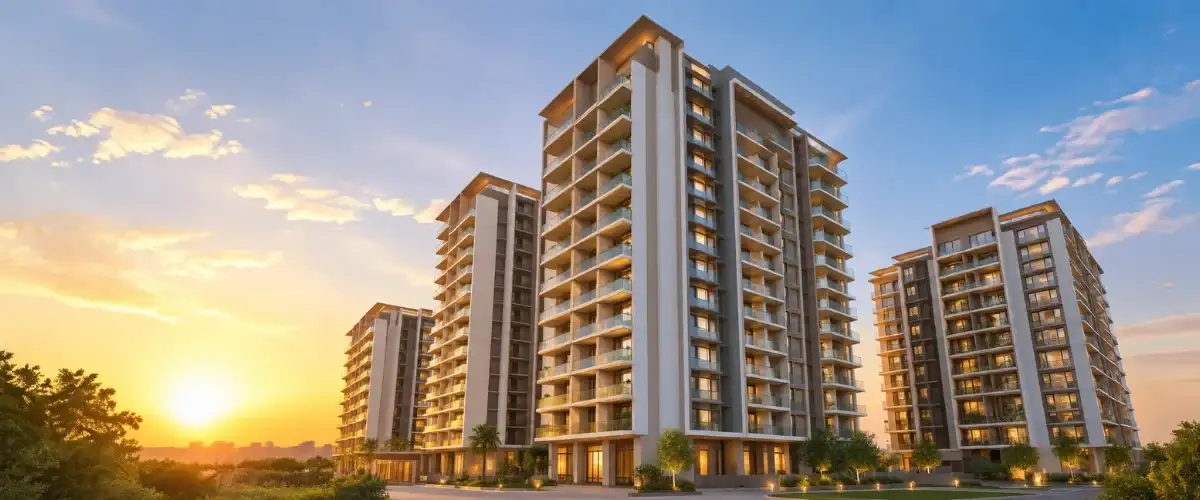
Power interruptions can affect everyday routines in ways that go beyond switching on a light. In an apartment building, electricity supports lifts, water pumps, common-area lighting, security systems and several household functions. A reliable backup system can help keep essential services operating when the main electricity supply is temporarily unavailable.
For residents, understanding how this system works can provide a clearer idea of what to expect during a temporary outage. It also helps distinguish between basic emergency support and broader electricity coverage within a residential building.
What Is Power Backup in a Residential Building?
Power backup refers to an alternative electricity supply that operates when the main power source is interrupted. Depending on the building, this may involve a diesel generator, battery-based system, inverter setup or a combination of technologies.
The capacity and coverage can differ between residential developments. Some systems may support essential building services, while others can also provide electricity to selected circuits inside individual apartments.
The important point is to understand what the backup arrangement covers rather than assuming that all electrical connections will remain operational. The system’s specifications, capacity and connected loads determine how it functions during an outage.
How Backup Power Supports Lifts
Lifts are an important part of everyday movement in multi-storey buildings. During an electricity interruption, a backup arrangement can help restore lift operations, depending on the building’s electrical setup and available capacity.
This can be particularly useful in taller buildings where residents may otherwise need to rely on staircases. For people carrying groceries, moving household items or assisting elderly family members, continued lift access can make a temporary outage easier to manage.
The duration and extent of lift operation will depend on the system installed within the building. Some arrangements may support selected lifts rather than the entire lift bank, so the actual provision is worth checking.
Supporting Water Pumping Systems
Water pumps commonly rely on electricity to move water to overhead tanks and other parts of a building. A prolonged interruption to pumping can eventually affect water availability.
Where the pumping equipment is connected to an alternative electricity source, essential water-related operations can continue during certain outages. This helps maintain an important building function while the primary supply is unavailable.
The arrangement can differ depending on the building’s design and water infrastructure. Therefore, backup support for pumps should be understood as part of the overall electrical system rather than as a guarantee of uninterrupted water supply in every situation.
Keeping Common Areas Operational
Corridors, staircases, entrance areas and parking spaces require lighting for regular movement through the building.
An alternative electricity supply can help maintain lighting in these shared spaces when the main supply is unavailable. This is particularly useful during evening or nighttime interruptions, when reduced visibility can make movement more difficult.
Certain security systems and other essential equipment may also depend on electricity. Backup support can help these systems continue operating, subject to the building’s configuration and available capacity.
The exact systems supported will vary according to the electrical infrastructure of each residential development.
Does It Cover the Entire Apartment?
Having a backup system in a residential building does not necessarily mean that every electrical point inside an apartment will remain operational.
The available supply may be limited to lifts, water pumps, common areas, security systems or selected household circuits. Some buildings may provide broader coverage, subject to the capacity of the installed equipment.
Residents should therefore check the property’s specifications to understand which apartment loads are supported. This can include asking whether lighting, fans, refrigerators or other household connections are covered.
Knowing this distinction prevents unrealistic expectations about how an apartment will function during an electricity interruption.
Why Backup Capacity Matters
The size and capacity of an electricity backup system determine how much load it can support at a given time.
Essential building equipment generally takes priority over high-consumption household appliances. Air conditioners, water heaters and other heavy electrical loads can require substantially more power than lights or smaller devices.
If the available capacity is limited, the system may not be designed to operate every appliance simultaneously. Understanding these limitations provides a more realistic picture of how the arrangement will function during an outage.
For residents, this information can also help explain why some electrical points may continue working while others remain unavailable.
How Long Can Backup Electricity Last?
The operating duration can vary depending on the type of system, available fuel or stored energy, connected load and operating conditions.
A generator-based arrangement may depend on fuel availability, while battery-based systems are generally influenced by battery capacity and the amount of electricity being used. Greater electrical demand can also reduce the available operating period in systems with limited capacity.
For this reason, there is no single backup duration that applies to every residential building. The specifications of the individual development provide the more relevant information.
Understanding the Backup Arrangement
Power interruptions are an occasional part of electricity-dependent living, making a dependable alternative supply useful in residential buildings. Its role can extend across lifts, water pumping, lighting, security infrastructure and selected apartment circuits.
The key factors are coverage, capacity, operating duration and the systems connected to the backup supply. Understanding these details helps residents know how essential services are expected to function when the primary electricity supply is unavailable.
For homebuyers, this information can be considered when comparing residential buildings and understanding the practical infrastructure provided within a development.
Explore residential opportunities at
www.kalpataruthane.com
Call +91 9860949793 for more information.